Balearic Islands Guide: Mallorca, Menorca, Ibiza & Formentera
Explained in a way that helps you actually choose.
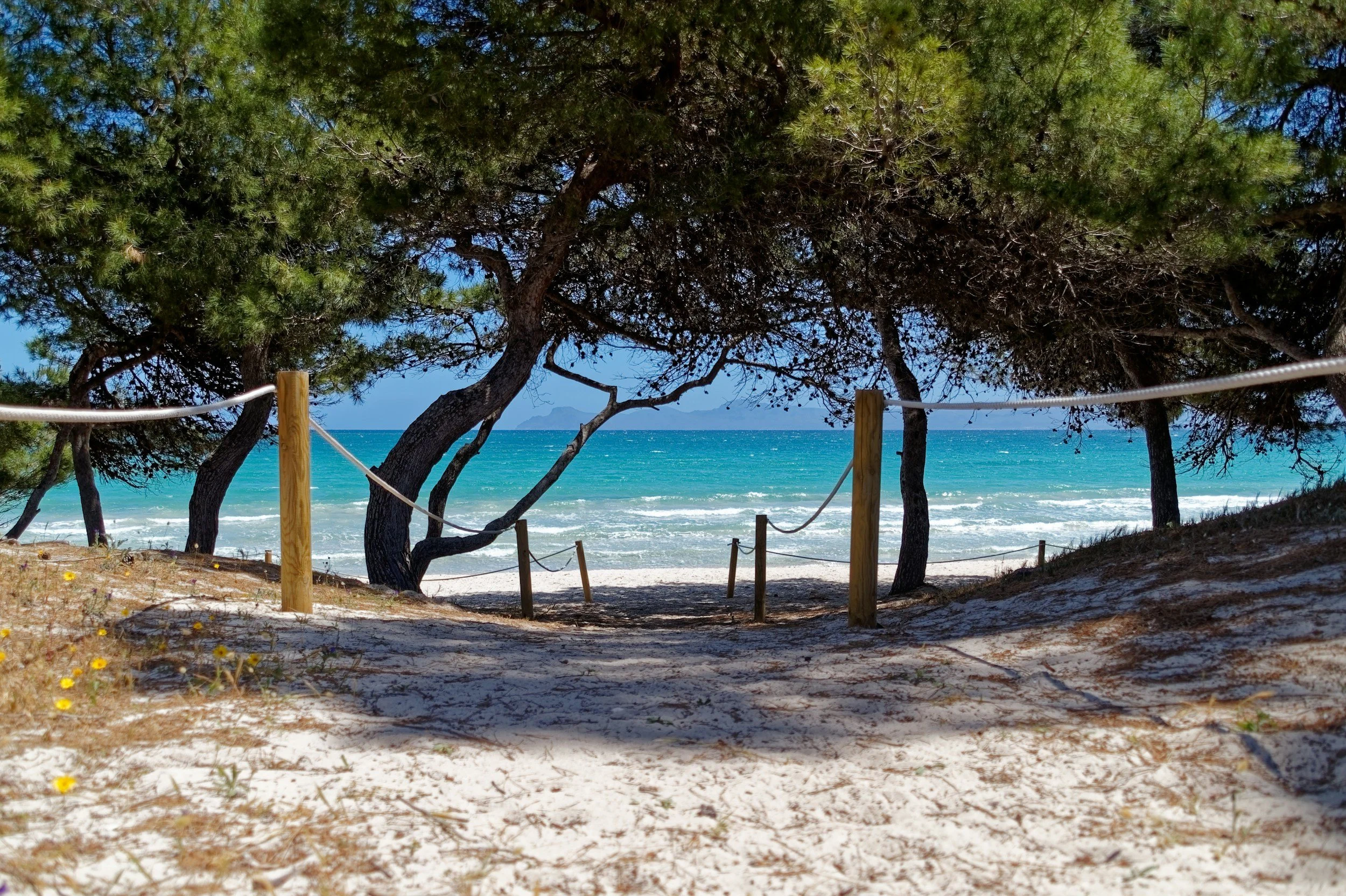
Mallorca moments.
Just off the coast of Spain, the Balearic Islands are the kind of destination that works for a lot of different trips. You can do relaxed beach days and still feel like you went somewhere interesting. You can book a chic seaside resort or disappear into a quieter, more local corner. And since each island has its own personality, you can tailor the vibe instead of forcing a one-size-fits-all Mediterranean fantasy.
Below is a guide to choosing the right island, plus what to know before you go, what to eat, what to pack, and where to stay.
Need to Know
Getting there
Mallorca, Menorca, and Ibiza all have airports with frequent connections from major European cities. From the US, most routes connect through European hubs, though Mallorca does offer limited nonstop service from Newark in season. Formentera does not have an airport. To reach it, fly into Ibiza and continue by ferry or private boat, which is part of the appeal.
Getting around
Mallorca and Menorca are best explored with a rental car. Ibiza works well with either a car or Uber, depending on how much you plan to move around the island. Formentera is small and flat. Most visitors get around by bike or scooter, with cars restricted in summer anyway.
Best time to visit
Mallorca and Ibiza are now year-round destinations. Menorca and Formentera remain seasonal, with most hotels and restaurants open from late spring through early fall. Spring and autumn are ideal across all islands, offering pleasant weather and fewer crowds. Summer is hot and busy but perfect for beach days and boating.
How long to stay
Five to ten days is ideal for most trips. If you plan to visit more than one island, closer to two weeks allows for a more relaxed pace.
What to eat
Mallorca is known for sobrassada, tumbet, and ensaimada. Menorca is famous for Mahón cheese and caldereta de langosta. Ibiza’s signature dishes include bullit de peix, flaó, and sofrit pagès. In Formentera, seafood leads the way, with arroz a la marinera and simple daily catches featured everywhere.
Mallorca
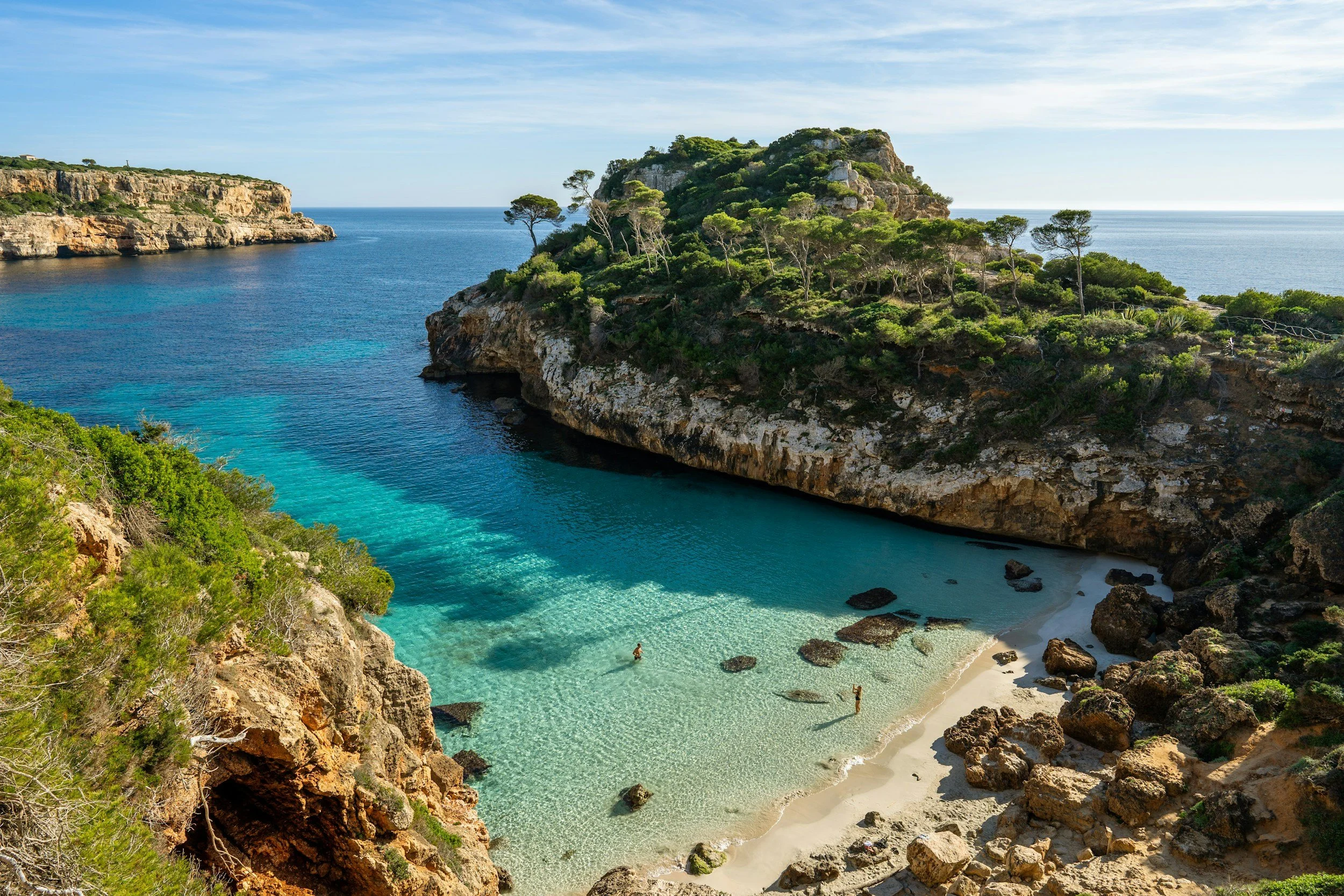
Hidden coves and pine-covered cliffs
The biggest and most varied. Best for culture, mountains, and not having to choose between city and beach.
Mallorca is known for Palma’s historic streets and its iconic Gothic cathedral. It also has the Tramuntana mountains, which give the whole island a dramatic backdrop. You can spend your days at local markets, hiking coastal trails, or doing a vineyard tasting.
Where to Stay
La Residencia, A Belmond Hotel A serene retreat in Deià with traditional Mallorcan architecture, gardens, a spa, and an impressive art collection.
Belmond Bellini Club: Hotel credit, daily breakfast, upgrade & extended check-in/out whenever possible.
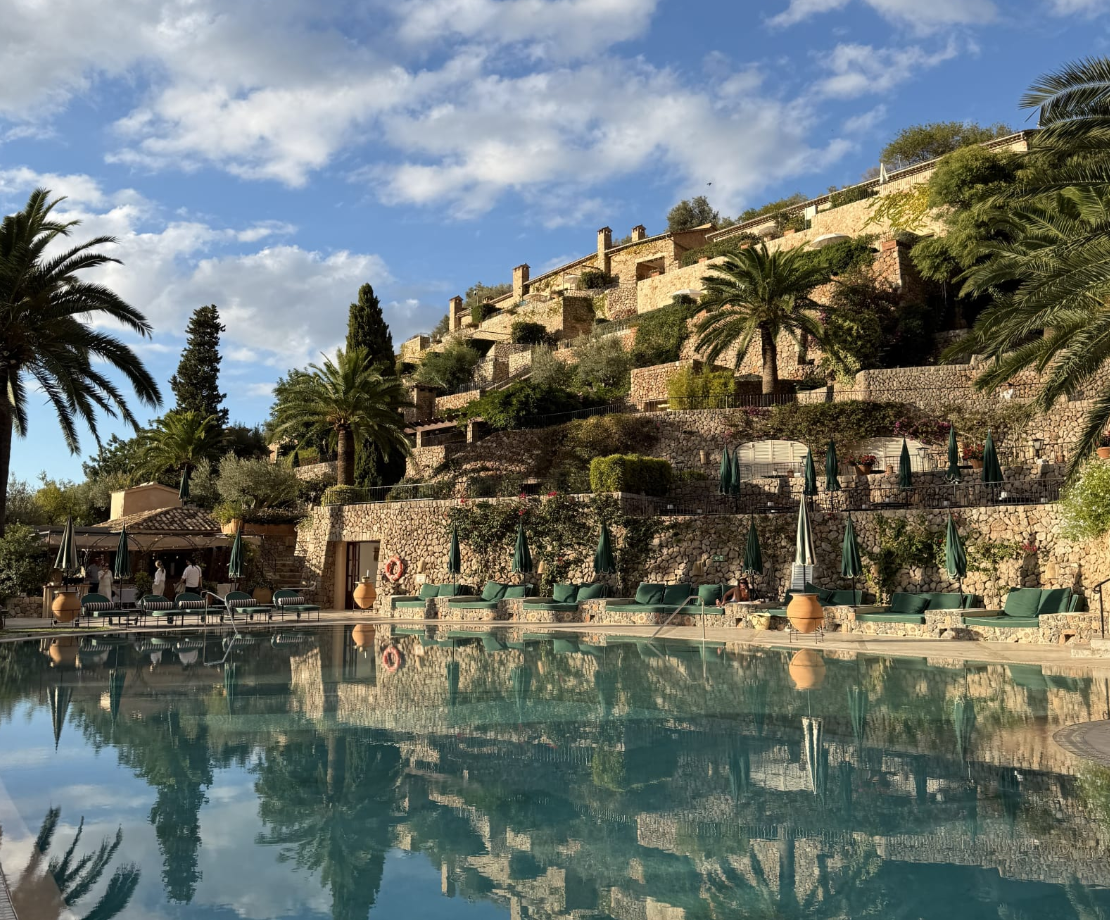
La Residencia
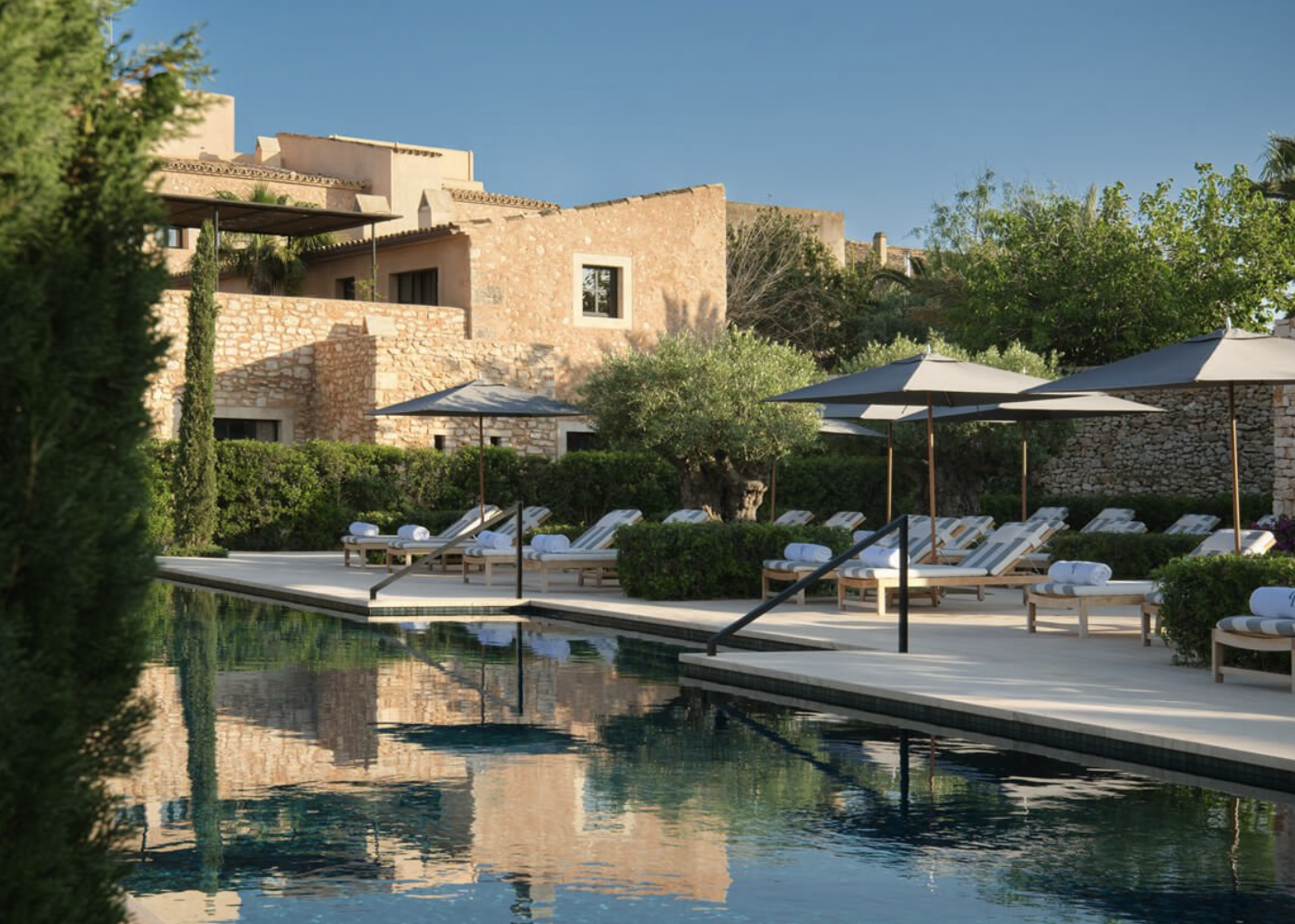
Can Ferrereta A restored 17th-century manor house in Santanyí. A great base for exploring the southeastern coast.
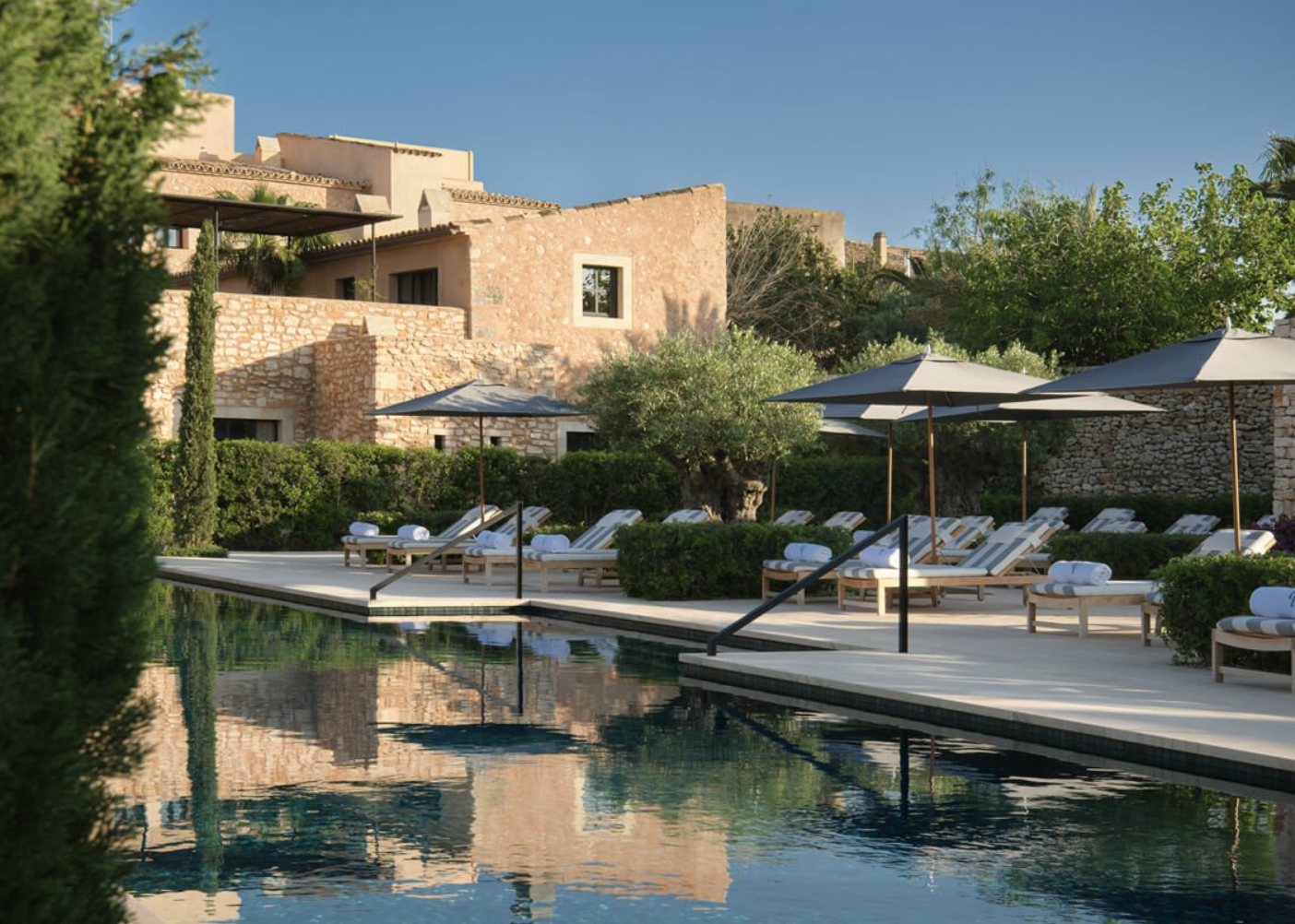
The Pool at Can Ferrereta. Image courtesy of Can Ferrereta
Jumeirah Mallorca Located in Port de Sóller with sea-view infinity pools and a spa. Near the harbor and hiking trails.
Fora Perks: $100 food & beverage credit, daily breakfast, upgrade & extended check-in/out whenever possible.
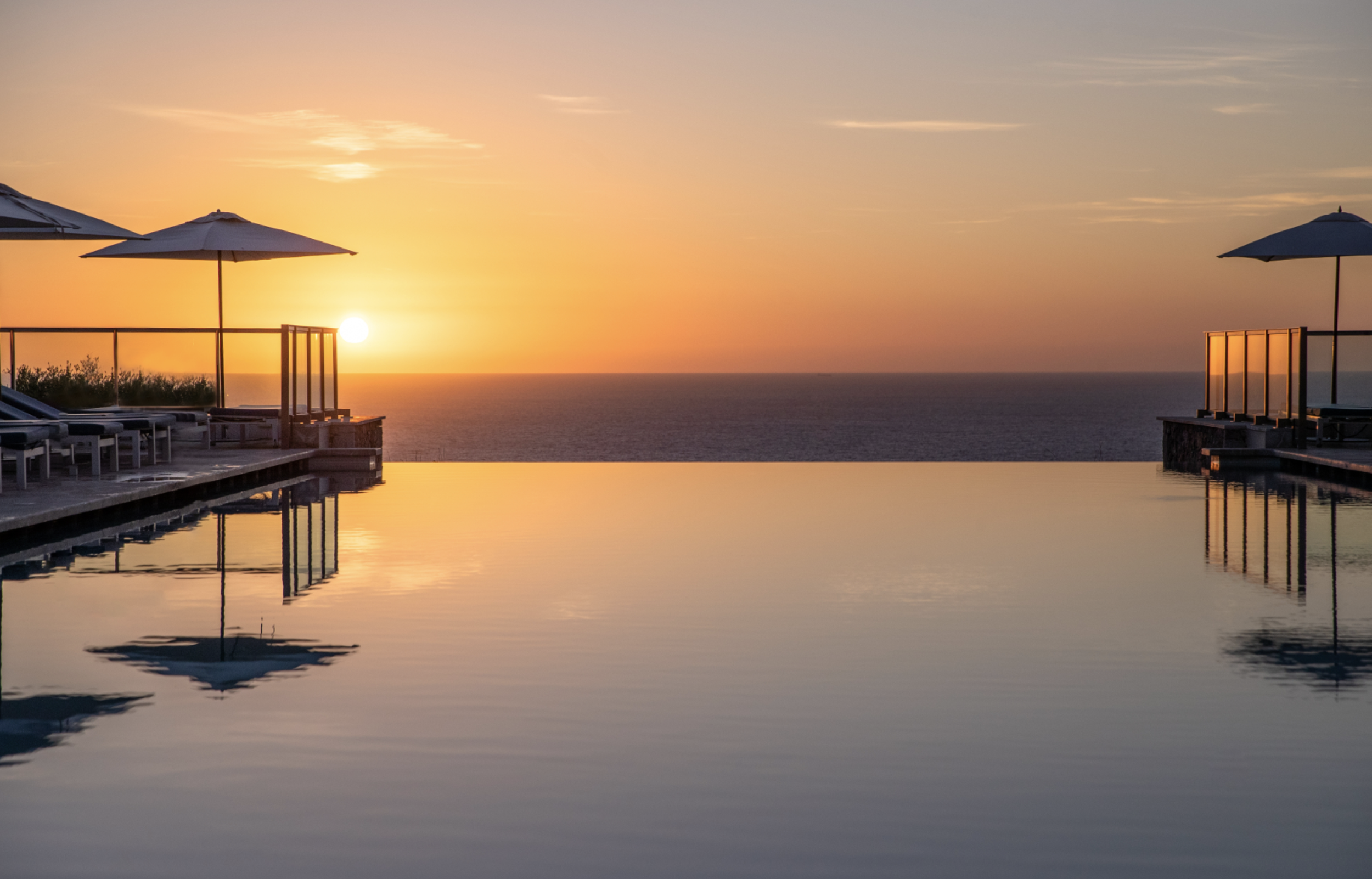
Image courtesy of Jumeirah Mallorca
Cap Rocat A former military fortress transformed into one of the most secluded and dramatic hotels on the island. Located on a private peninsula, it features suites carved into the rock, a drawbridge entrance, and direct access to the sea. It is incredibly romantic and architecturally stunning.
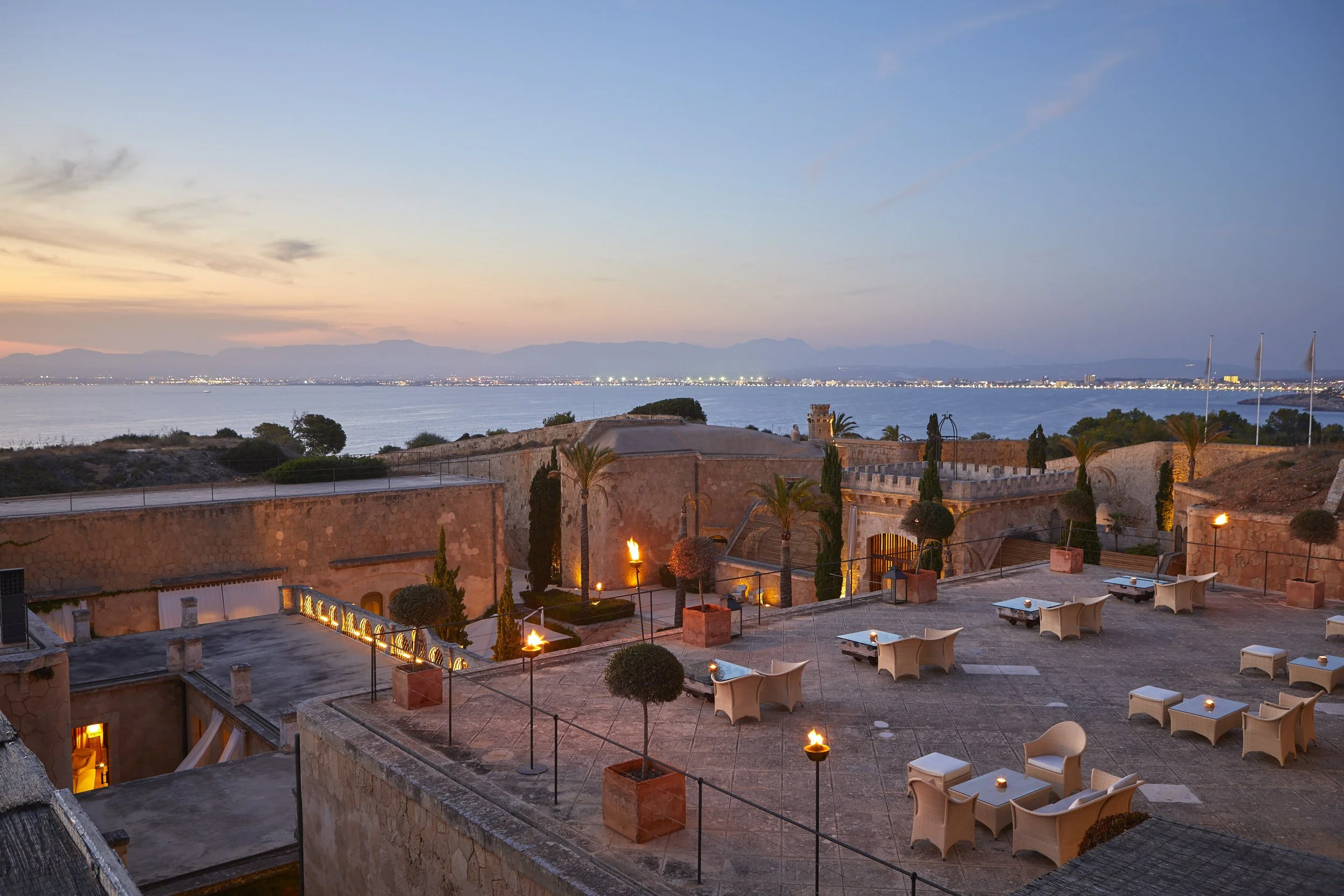
The terrace at Cap Rocat. Image courtesy of Cap Rocat
What to Do
Shopping: Palma does polished retail well. Jaime III is lined with international luxury names like Louis Vuitton and Escada, alongside easy staples like El Corte Inglés and Maje.
Old Town Palma: Wandering Palma’s old town is half the point. Narrow streets, small boutiques, café tables tucked into corners, and local artisan shops that reward slow exploring.
Food markets: For a real sense of everyday Mallorca, head to Mercado de Santa Catalina or Mercado de l’Olivar, where fresh produce, seafood, and traditional snacks are best enjoyed without a plan.
Movies and music: Summer evenings often mean outdoor cinema along the Paseo Marítimo, while classical concerts at Son Marroig combine music with one of the island’s most beautiful settings.
Beaches: Cala Deià feels cinematic and rugged, while Cala Llombards offers calm water and a quieter, more low-key beach day.
Hiking and walks: Mallorca is made for scenic walks. Hike out to Sa Foradada for sweeping coastal views, explore wildlife-rich trails in Mondragó Natural Park, or take the classic path between Deià and Sóller, which is as lovely as everyone says.
Tours and day trips: Wine lovers can explore the vineyards of the Binissalem region, while a visit to the Ses Salines Salt Flats offers a glimpse into one of the island’s oldest industries.
Landmarks: Palma’s skyline is anchored by the Gothic grandeur of La Catedral de Mallorca, just steps from the Royal Palace of La Almudaina, which traces the island’s royal past.
Museums and art: Mallorca quietly excels at culture. Highlights include modern and contemporary works at Es Baluard Museum, Joan Miró’s legacy at the Fundació Pilar i Joan Miró, and rotating exhibitions at Palau March Museum and La Caja Blanca.
Sant Sebastià Festival (January): Palma’s winter festival brings fireworks, live music, and traditional bonfires to the streets in honor of the city’s patron saint.
Nit de l’Art (September): The island’s biggest contemporary art night, when galleries and museums stay open late and Palma feels especially alive.
Menorca
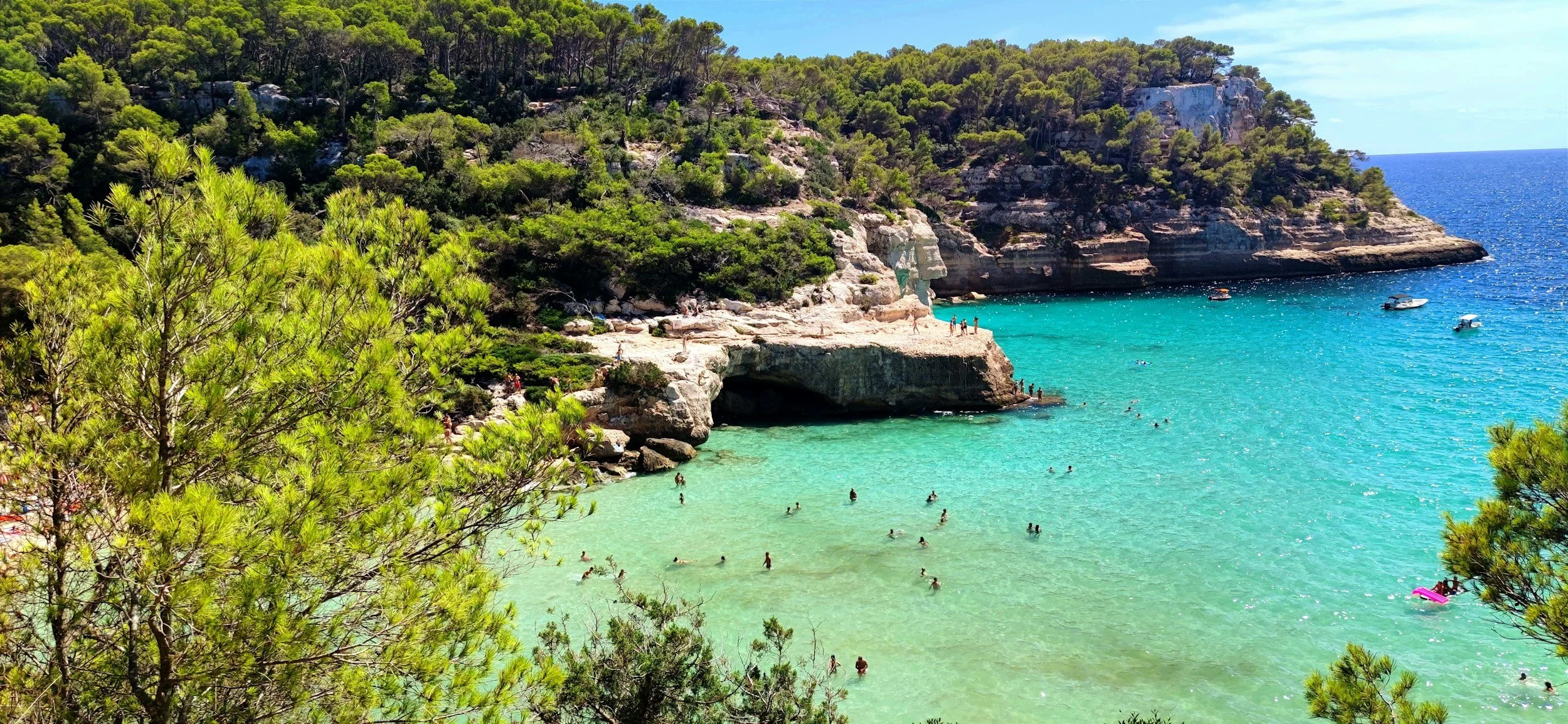
Calm, nature-forward, and low-key. Best for a total reset.
Menorca is the quieter counterpoint, with unspoiled beaches, charming harbors, and historic towns. The pace is slower in the best way. Think town-square strolls, calm swims, and a general sense that nobody is rushing you for anything.
Where to Stay
Villa Le Blanc, a Gran Meliá Hotel A stunning, carbon-neutral luxury retreat located right on the sea in Santo Tomás. The design is pure Menorcan—whitewashed, arched, and minimalist—with a focus on sustainability, refined dining at S'Amarador, and serene rooftop views.
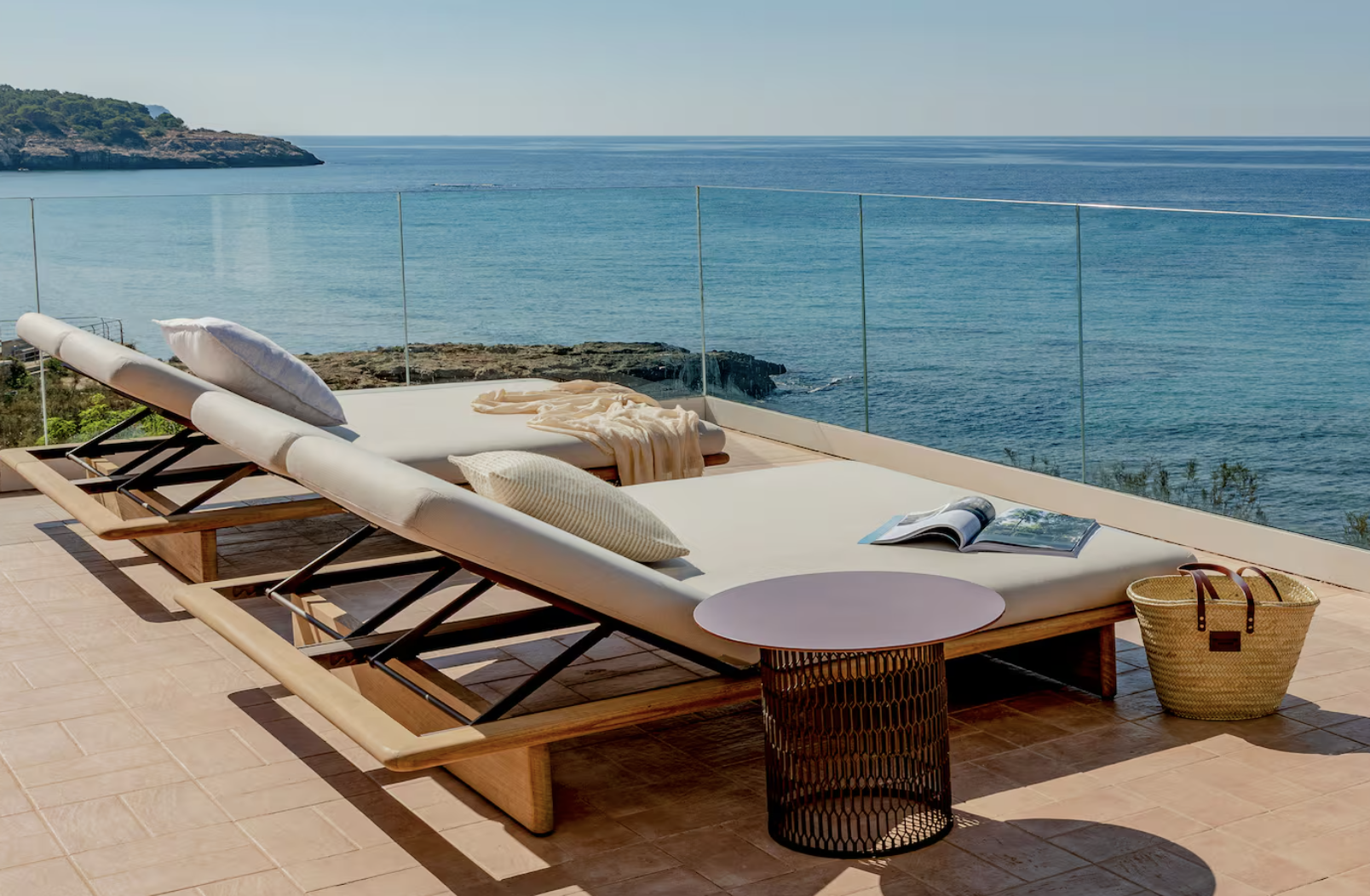
Image courtesy of Villa le Blanc
Hotel Torralbenc A restored 19th-century farmhouse. Understated, rustic, and genuinely relaxing.
Fora Reserve Perks: $50 hotel credit, daily breakfast, upgrade & extended check-in/out whenever possible.
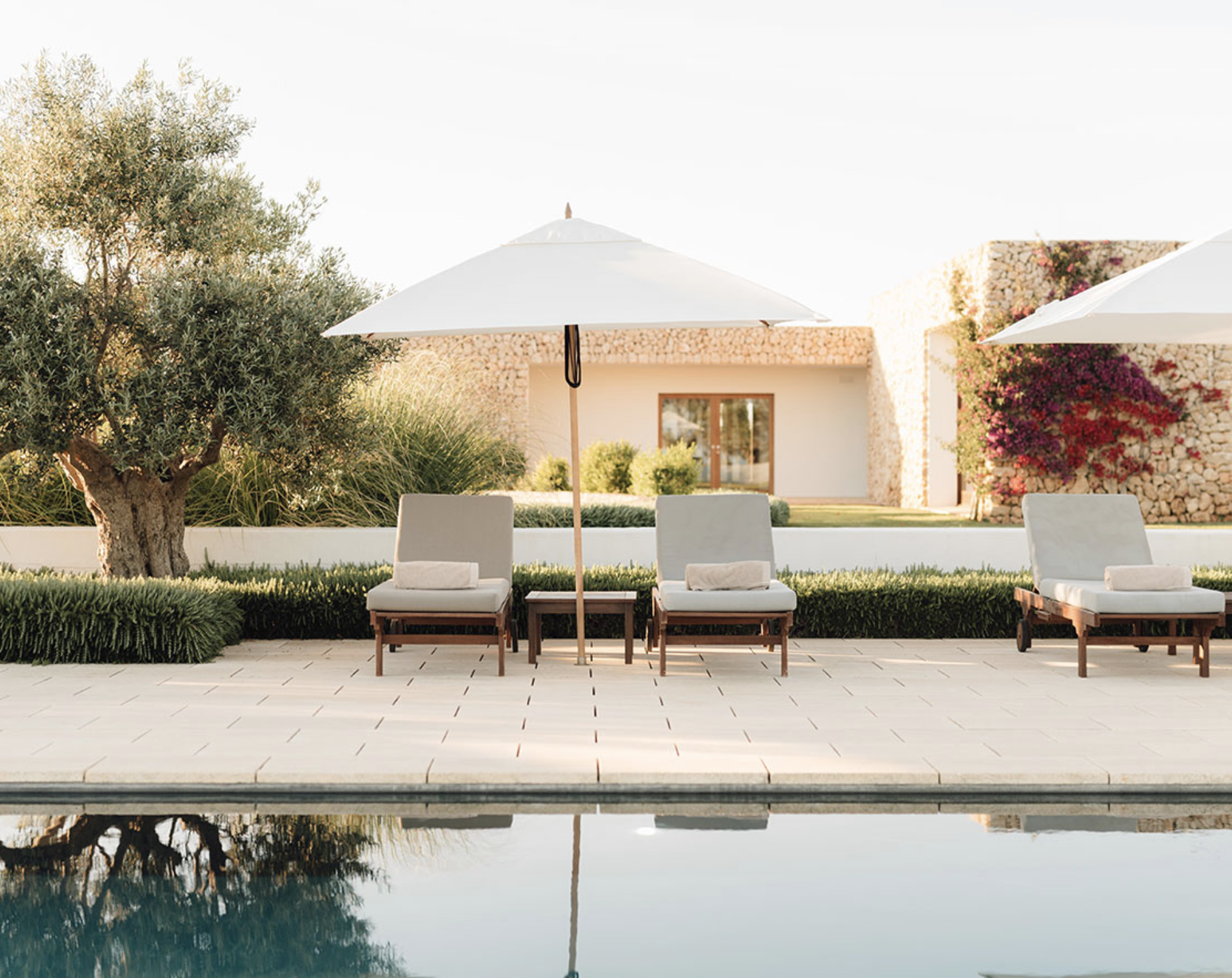
Hotel Torralbenc
Menorca Experimental A boutique hotel mixing modern minimalism with Menorcan tradition. Features private villas, an infinity pool, and herbal workshops.
Fora Perks: €20 daily food & beverage credit, welcome amenity, upgrade whenever possible.
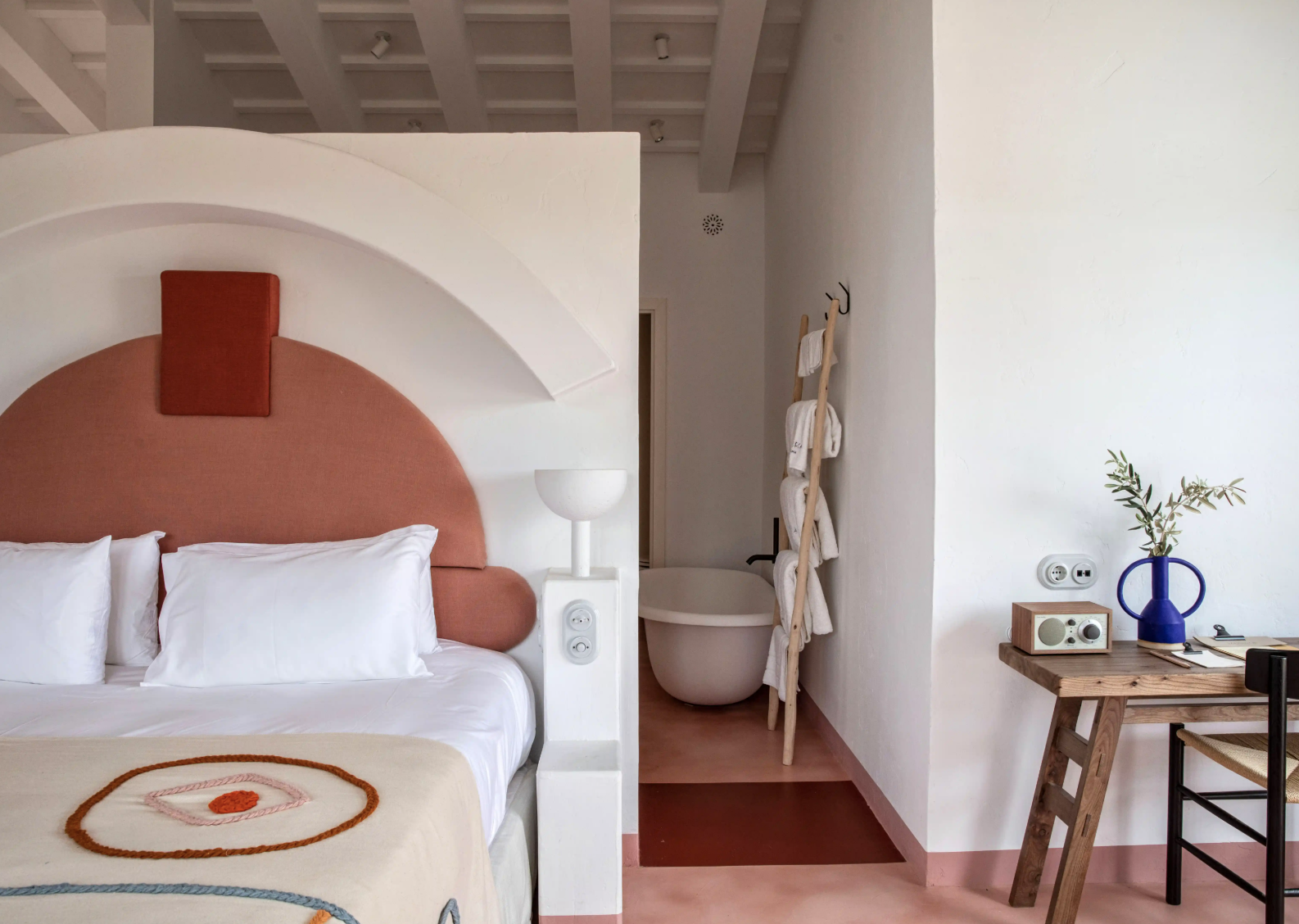
Menorca Experimental
Son Blanc Farmhouse Menorca An eco-conscious stay on a 15-acre property with locally sourced meals. Rustic and informal.
What to Do
Villages: Spend time getting lost in Ciutadella and Mahón, where cobblestone streets lead to small boutiques, local galleries, and markets that feel genuinely lived in, not staged for visitors.
Hiking: Walk all or part of the Cami de Cavalls, the historic trail that loops the island and shows off Menorca’s quieter side. Think rugged coastline, open countryside, and long stretches where the only soundtrack is the wind.
Art and makers: Menorca’s creative scene is understated and thoughtful. Visit contemporary exhibitions at LÔAC – Centre d'Art, or stop by artisan workshops like Sense Nom in Alaior for beautifully made, meaningful souvenirs.
History and viewpoints: The island’s past runs deep. Explore the 18th-century fortress of La Mola, wander the prehistoric Talaiotic settlement of Torre d'en Galmés, and head north to the Cape Cavalleria Lighthouse for wide, windswept views that feel almost cinematic.
Beaches: Menorca’s beaches reward curiosity. Cala Mitjana is dramatic and cliff-backed, Cala Escorxada feels earned thanks to its walk-in access, and Cala Pilar’s golden sand is beautifully remote. Cala Pregonda stands out for its red-hued sand, while Cala en Brut offers rocky swimming coves and a sense of privacy. Cala Mitjaneta is smaller and quieter than its neighbor, and Caló Blanc is calm, compact, and perfect for an easy swim.
Charter a boat: One of the best ways to experience Menorca is from the water. A private boat lets you slip into hidden calas, swim in impossibly clear coves, and see the coastline the way it was meant to be seen. Slow, sun-soaked, and very hard to rush.
Ibiza
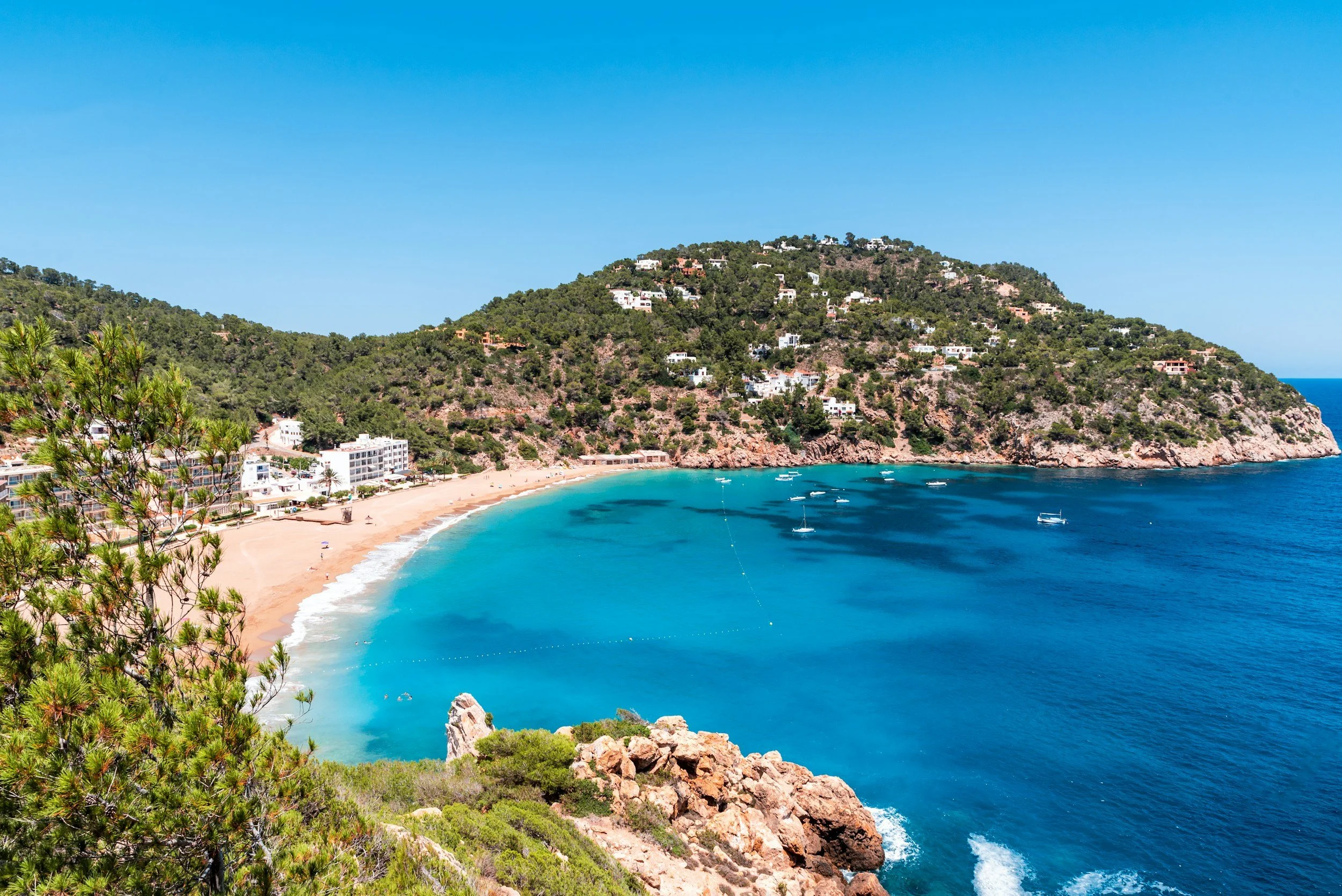
Famous for nightlife, but rich in history and bohemian charm.
Ibiza is a nightlife capital, but it’s also rich in history, scenic landscapes, and a bohemian charm that goes beyond clubs. Spend your days in UNESCO-listed Dalt Vila or finding hidden coves. At night, you can go out, or you can choose a quiet seaside café.
Where to Stay
The Standard Ibiza An energetic adults-only hotel in the heart of Ibiza Town. Cool, central, and easy.
Standard Secret Agents: Food & beverage credit, daily breakfast, upgrade & extended check-in/out whenever possible.
Six Senses Ibiza A wellness-forward, eco-conscious escape in the north. Holistic spa treatments and high design standards.
Fora Perks: $100 hotel credit, daily breakfast, upgrade & extended check-in/out whenever possible.
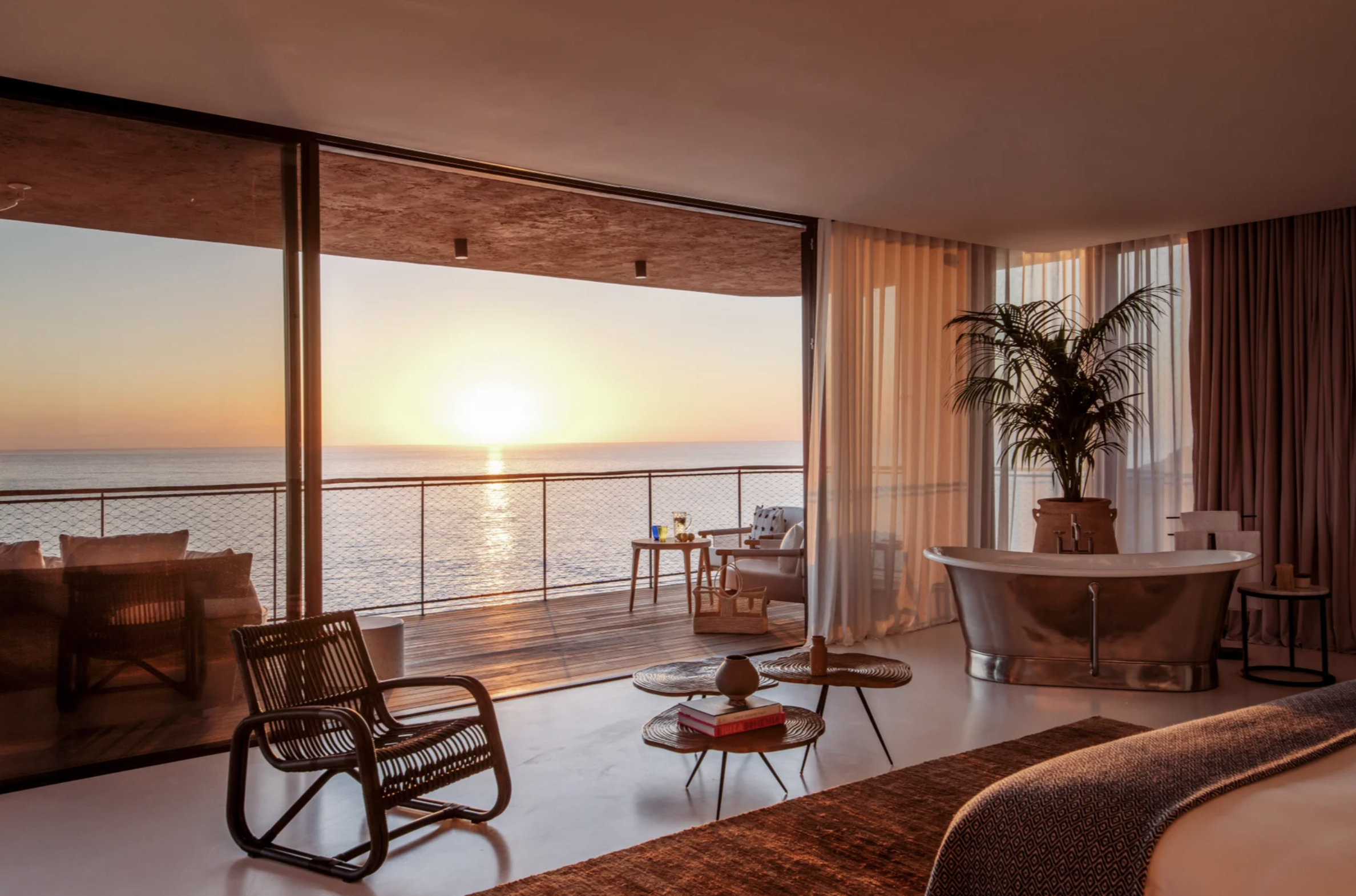
Image courtesy of Six Senses
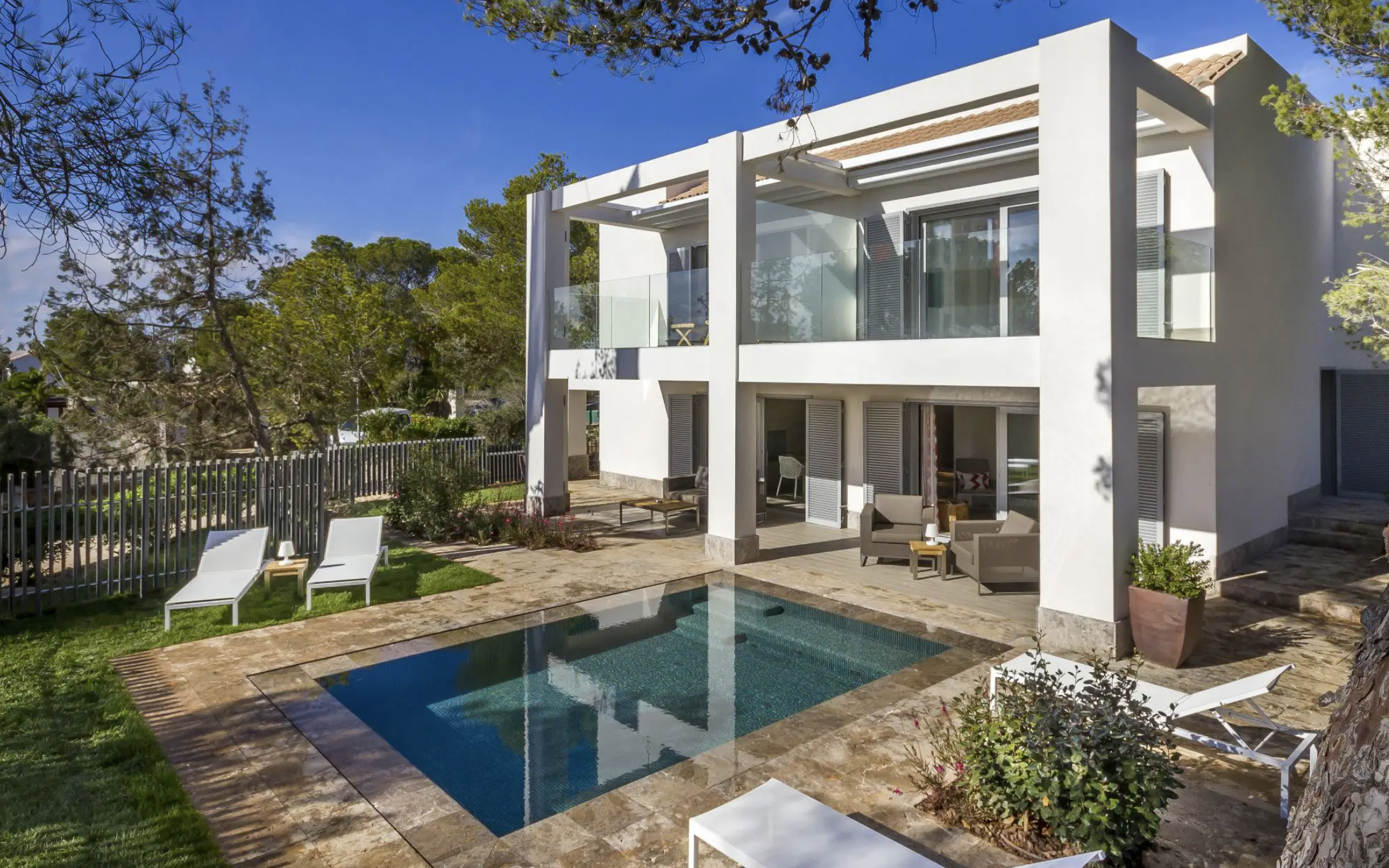
7Pines Resort Ibiza A clifftop all-suite resort with privacy, a serious spa, and yacht charters.
Hyatt Privé: $100 hotel credit, welcome amenity, daily breakfast, upgrade & extended check-in/out whenever possible.
What to Do
Old Town wandering: Spend an unhurried afternoon in Dalt Vila, Ibiza’s fortified old town, where cobblestone streets lead to sweeping views over the sea and history is layered on thick.
Sunset ritual: Head to San Antonio’s Sunset Strip and do what everyone does, which is order a drink, find a seat, and watch the sky put on a performance that fully lives up to the hype.
Beach hopping: Ibiza does contrast well. Playa d’en Bossa brings energy and people-watching, while Cala Comte delivers calm water, hidden coves, and the kind of light that makes you cancel dinner plans.
On the water: Charter a boat or join a small cruise to trace the coastline, slipping into quiet beaches and dramatic cliffs you can’t reach by car.
After dark: Ibiza’s nightlife is legendary for a reason, whether that means a chic beach club evening or going all in at icons like Pacha and Amnesia.
Carnival of Ibiza (February or March): A joyful, slightly chaotic parade of costumes, music, and dancing that signals Lent is coming but fun is not canceled.
Ibiza Jazz Festival (September): A relaxed, culture-forward counterpoint to club season, bringing international and local jazz musicians to Ibiza Town.
New Year’s Eve (December 31): Fireworks over Ibiza Town, beach parties, and late-night celebrations that feel festive without trying too hard.Formentera
Formentera
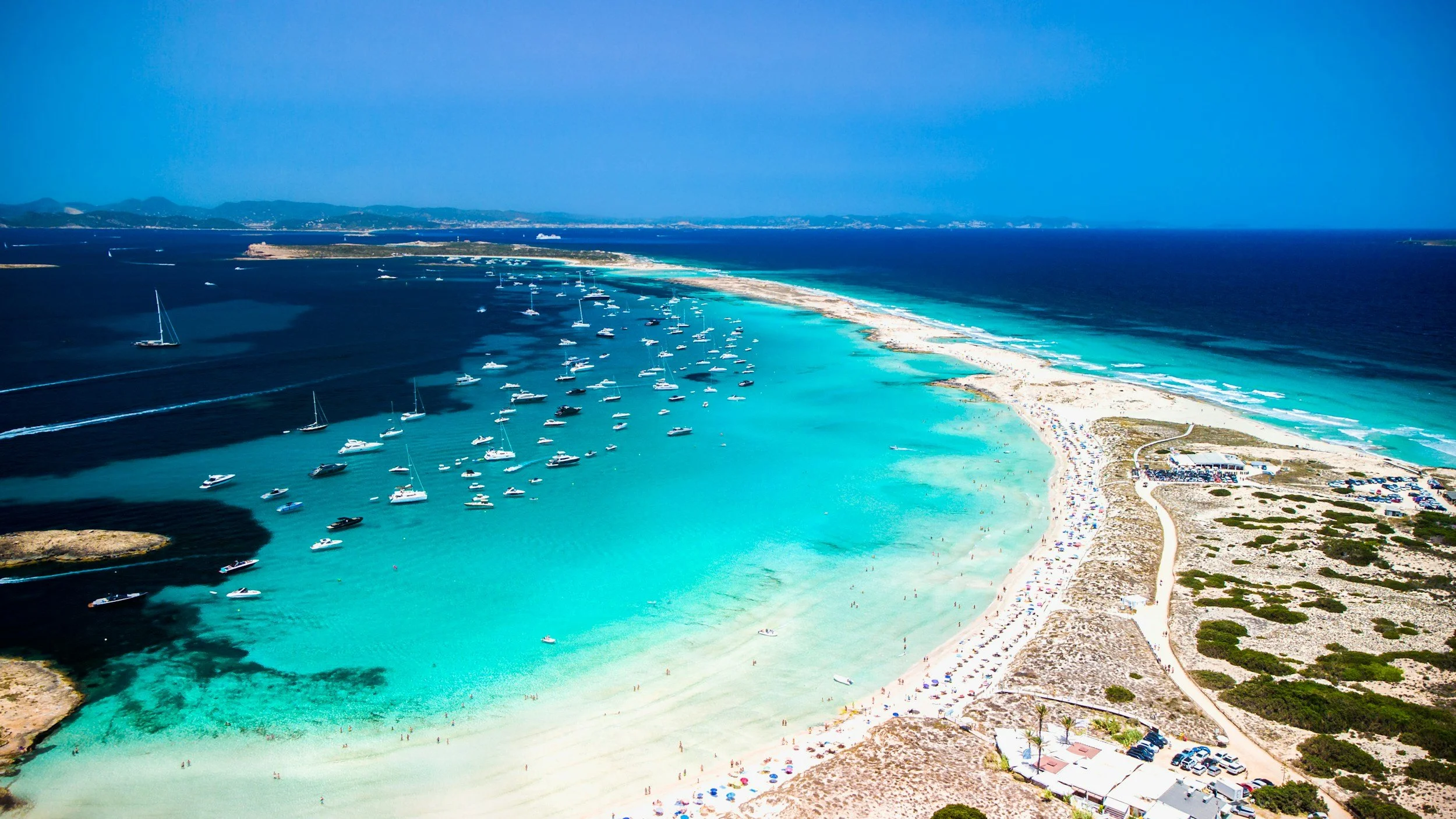
The turquoise waters of Formentera
The smallest and most relaxed. Best for "lowering your shoulders."
Formentera is the most peaceful of the islands, ideal for travelers who want to slow down and be outside. Cycle along coastal paths, snorkel in clear water, or do very little on a beautiful beach—which is honestly the point.
Where to Stay
Teranka A relaxed, eco-conscious hotel blending natural materials with modern comfort.
Fora Perks: $100 food & beverage credit, daily breakfast, upgrade & extended check-in/out whenever possible.
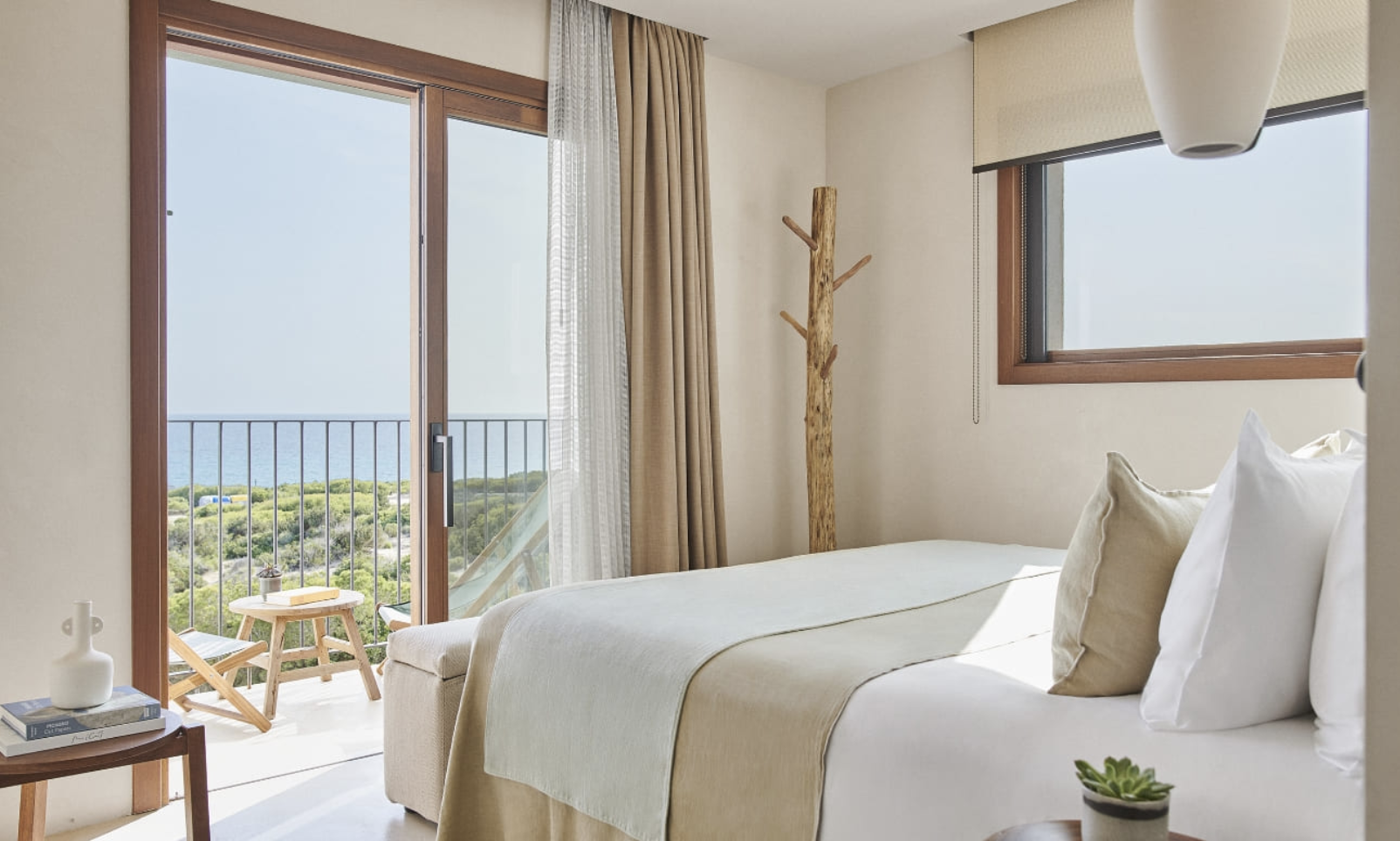
Teranka
Hotel Gecko and Beach Club Stylish and laid-back with a sophisticated beach club and wellness focus.
Fora Reserve Perks: $50 resort credit, daily breakfast, upgrade & extended check-in/out whenever possible.
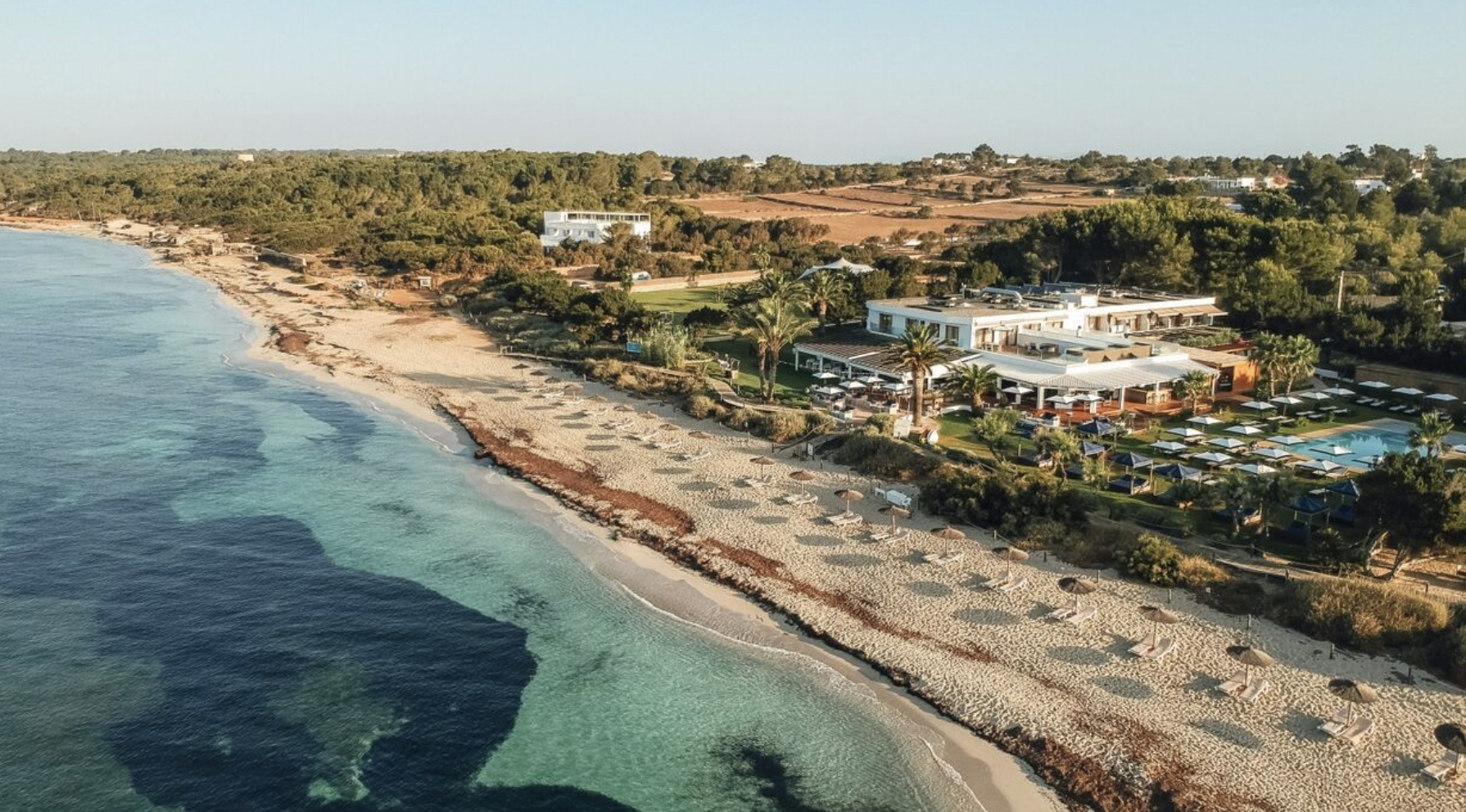
Hotel Gecko and Beach Club
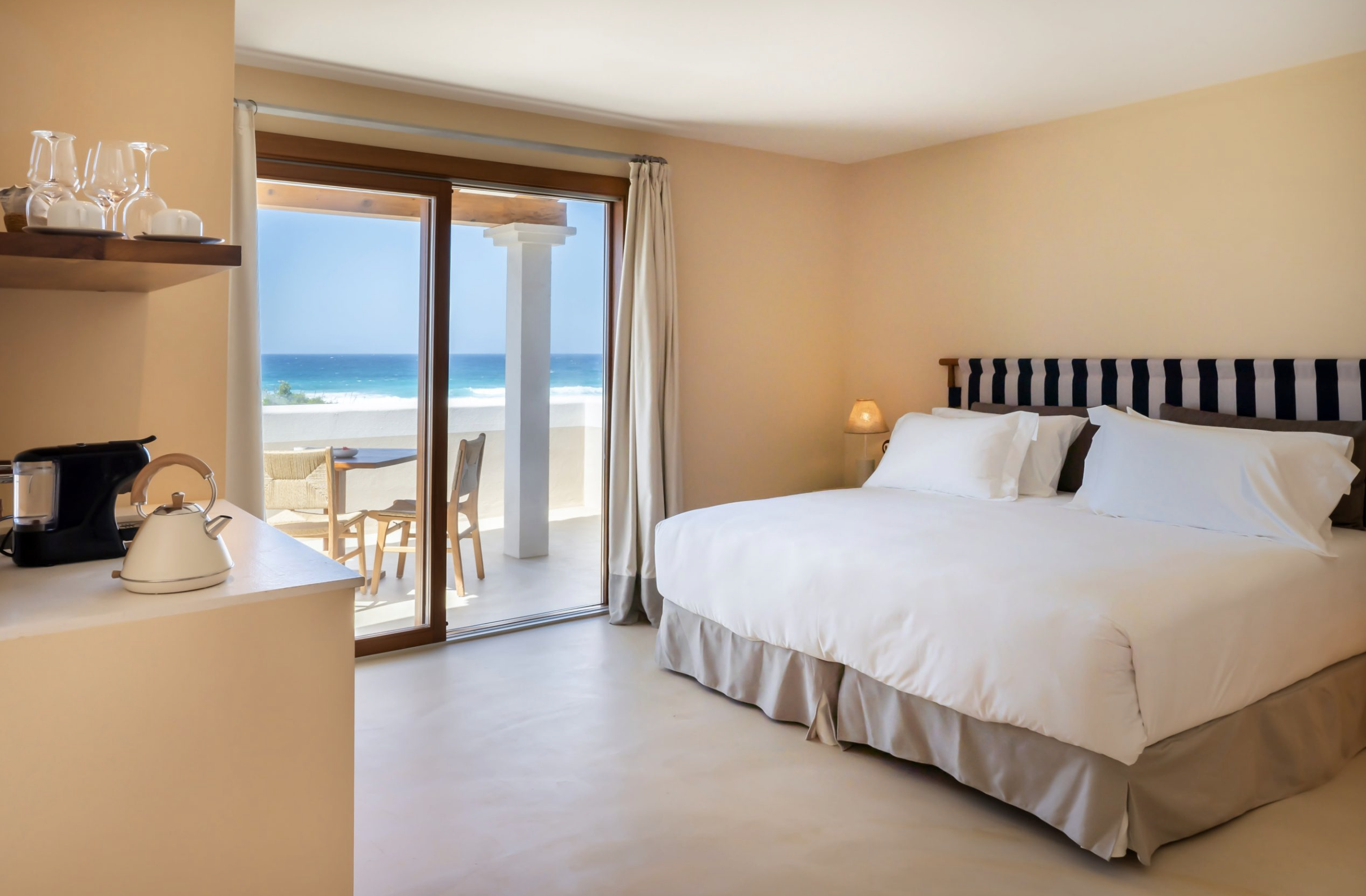
Dunas de Formentera A beachfront boutique hotel with minimalist design. Intimate and charming.
Fora Reserve Perks: $100 resort credit, daily breakfast, upgrade & extended check-in/out whenever possible.
What to Do
Beaches: Ses Illetes is the headliner for a reason. Powdery white sand, shallow turquoise water, and a beach day that feels closer to the Caribbean than mainland Spain.
Getting around: Formentera is made for two wheels. Renting a bike or scooter lets you take the long way on purpose, weaving through quiet roads, salt flats, and small villages that feel blissfully untouched.
Art and culture: The island’s creative side shows up in low-key but thoughtful spaces like the Formentera Art Centre, where contemporary work by local and international artists reflects the island’s slower rhythm.
On the water: Boat trips reveal Formentera’s wild edges. Cruise past dramatic coastal cliffs, take in views of Es Vedrà in the distance, and round things out with a visit to La Mola Lighthouse, perched high above the sea and very much worth the effort.
Trips to add on
If you’re already in the Balearics, it’s easy to layer in another destination without overcomplicating the trip. These pair naturally, whether you want more coast, more culture, or a proper city moment before heading home.
Valencia, Spain (about 50 minutes by plane or 5 hours by ferry)
Valencia is an easy extension and a smart one. This is where paella actually comes from, and the city balances historic streets with modern architecture and a long, walkable stretch of coastline.
Barcelona, Spain (about 1 hour by plane)
Barcelona works as a high-energy bookend. Gaudí architecture, serious dining, shopping, museums, and a beach scene that keeps the Mediterranean theme going while adding big-city momentum.
Costa Brava, Spain (via Barcelona)
Pair Barcelona with Costa Brava for contrast. Hidden coves, medieval villages, and a quietly excellent food scene make this feel like a softer, more scenic continuation of island life.
Marseille, France (about 1.5 hours by plane)
Marseille brings edge and history. A gritty, soulful port city with bold markets, layered culture, and easy access to the Calanques for jaw-dropping coastal scenery.
Sardinia, Italy (about 1 hour by plane)
Sardinia feels like a cousin to the Balearics with a wilder streak. Clear turquoise water, dramatic coastlines, and ancient ruins give it depth beyond the beach.
London, UK (about 2 hours by plane)
A surprisingly good add-on, especially for flights home. Museums, shopping, theater, and dining all in one place, with plenty of direct connections.
If not the Balearics…
If you’re drawn to the Balearics for the beaches, culture, and that effortless Mediterranean rhythm but want a change of scenery, these destinations hit a similar note, just in a different key.
Amalfi Coast, Italy
The Amalfi Coast offers drama in the best way. Cliffside villages, hidden swimming spots, long lunches that turn into dinners, and some of Italy’s most memorable food. It’s polished, cinematic, and unapologetically romantic.
Azores, Portugal
For a quieter, nature-forward alternative, the Azores deliver raw beauty. Volcanic landscapes, crater lakes, geothermal pools, and a feeling of being very far from everything, in a good way. Less beach club, more deep exhale.
Paros, Greece
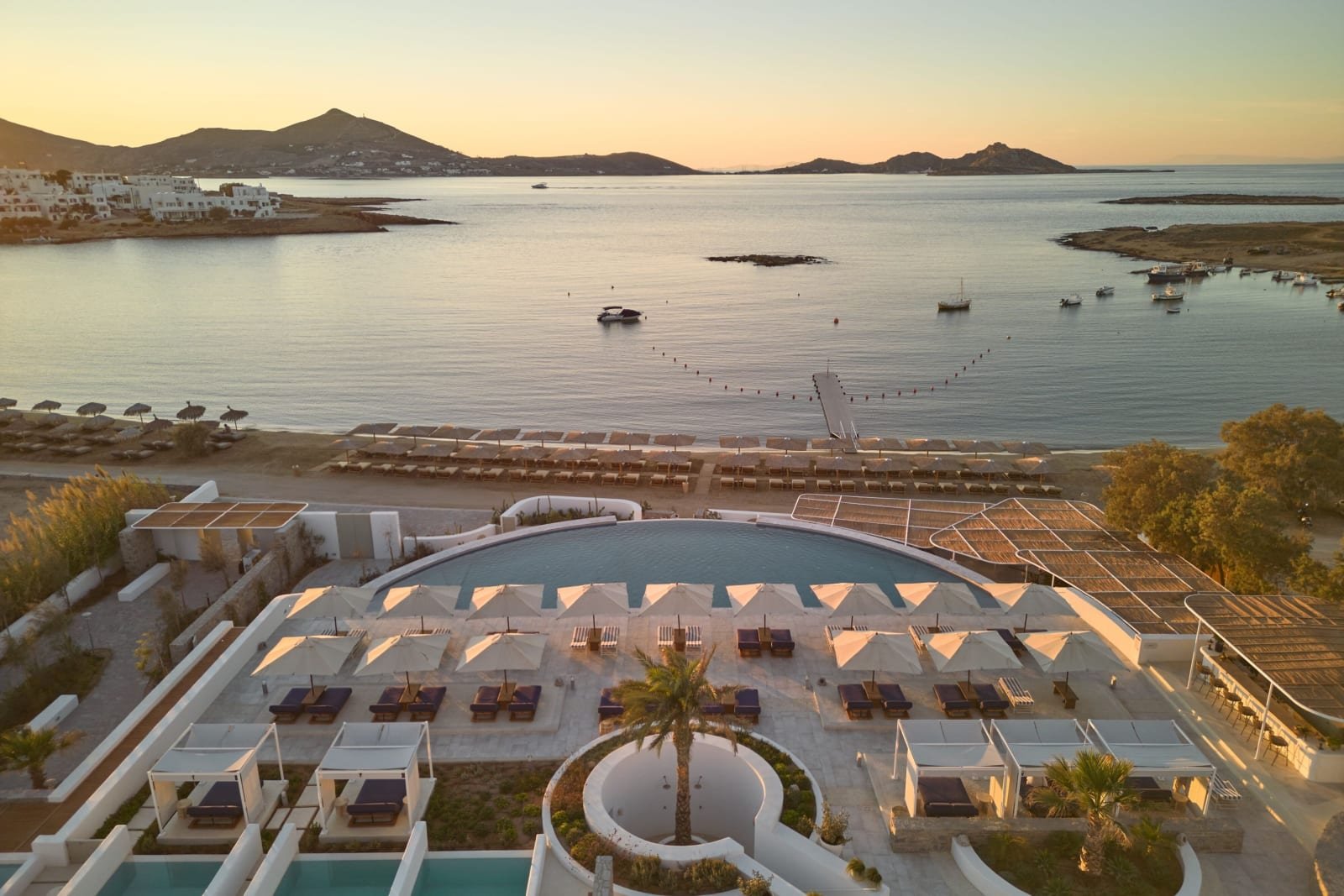
Paros has the relaxed energy people hope to find in Mykonos but rarely do. Whitewashed villages, sandy beaches, good food, and a social scene that’s lively without being exhausting. Easy, sunny, and very livable.
Dalmatian Coast, Croatia
Island hopping along the Dalmatian Coast combines history and water time beautifully. Medieval towns, clear Adriatic seas, and days structured around boats, swimming, and slow evenings in places like Dubrovnik and Hvar.
French Riviera, France
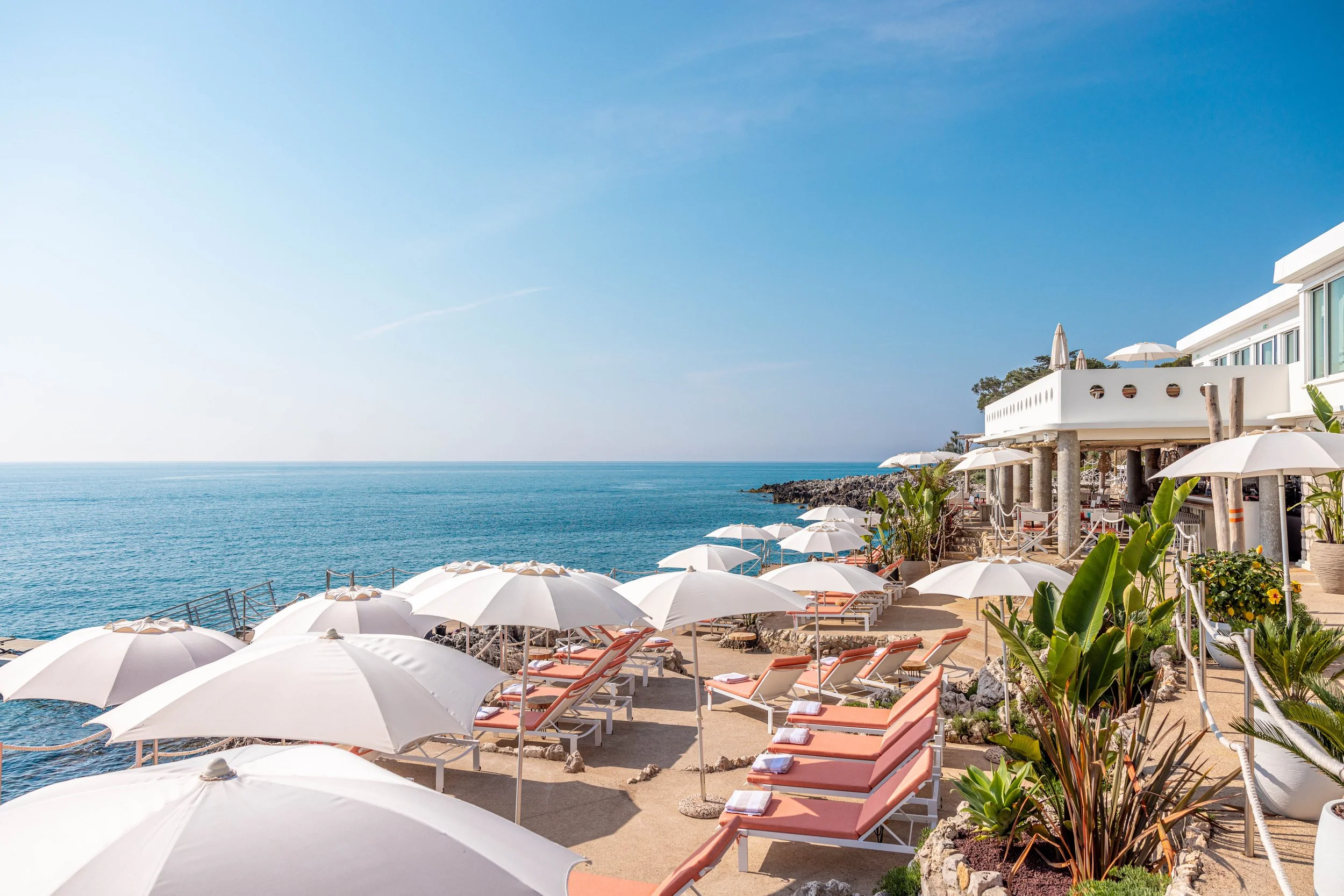
The French Riviera is the Balearics’ more dressed-up cousin. Think Saint-Tropez and Cannes. Yacht-lined harbors, excellent dining, and beaches where people-watching is a sport. Glamorous, but still grounded in the sea.
French Basque Coast (San Sebastián and Biarritz)
For something cooler and culture-rich, the French Basque Coast blends Atlantic beaches, surf-town energy, and some of the best food in Europe. San Sebastián and Biarritz feel refined but relaxed, with a strong sense of place and very good meals baked into the plan.
Each of these destinations captures a piece of what makes the Balearics special, without feeling like a substitute. Different scenery, same appeal.